3 Experiential Lessons from Melbourne F1
CEO, Ben McMahon and COO, Luke Daniels spent race week in Melbourne, experiencing first-hand the brand activations, fan immersion and partnership thinking redefining sport and brand expriences.
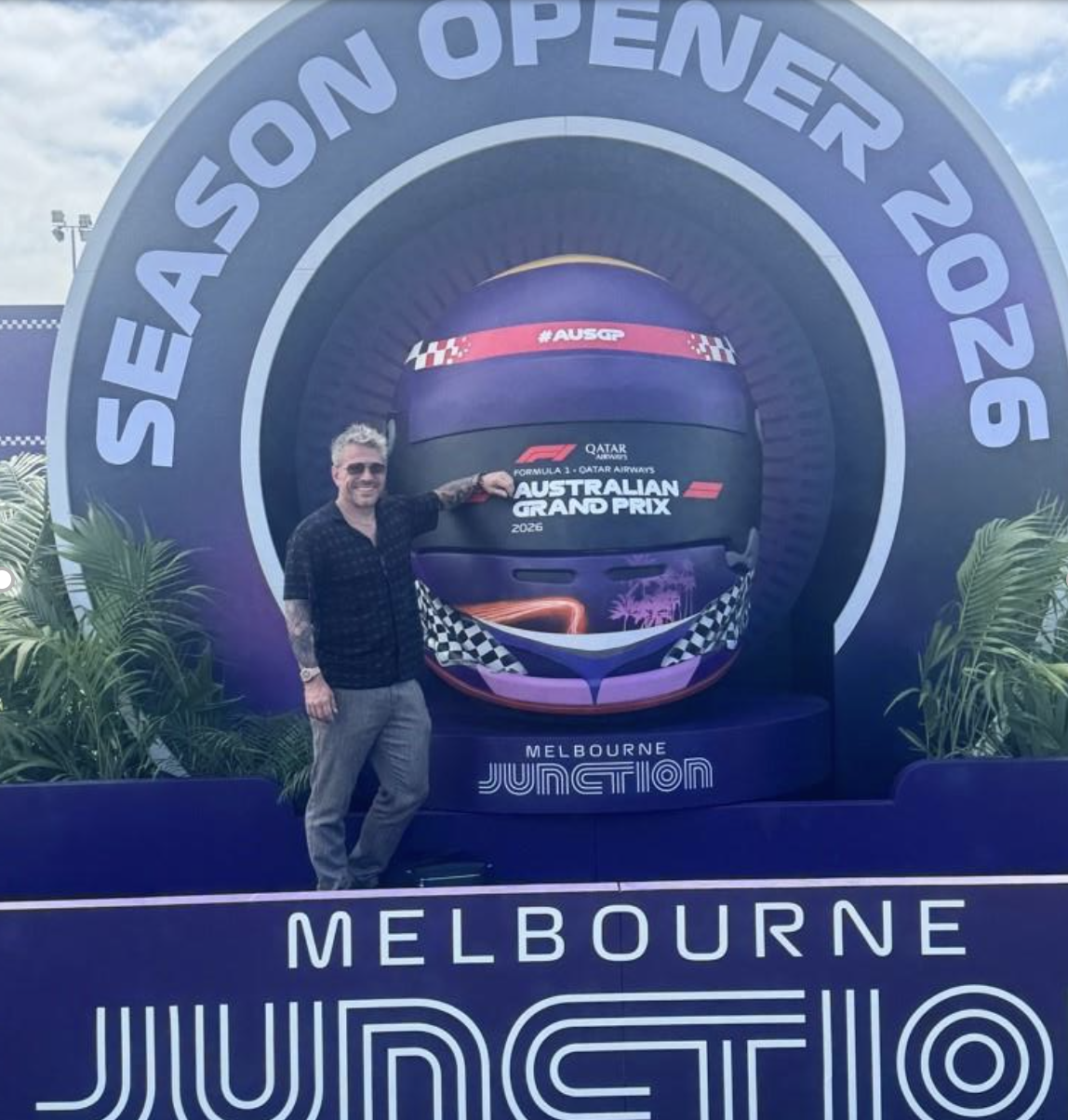


As the dust settles on the Australian Grand Prix, it’s clear that Formula 1 is evolving far beyond the racetrack. What was once a weekend sporting event is increasingly becoming a city-wide cultural moment - and brands are responding with more ambitious experiential activations than ever before.
Our CEO Ben McMahon and Chief Operating Officer Luke Daniels were on the ground in Melbourne throughout race week, exploring the brand activations, fan experiences and partnership executions shaping the future of sport and experiential.
Here are three key experiential trends they observed from the event:
One of the most striking observations from Melbourne was how the event extends far beyond the circuit. Brands are no longer confined to trackside sponsorships or hospitality - instead they are embedding themselves across the entire city, turning the race weekend into an opportunity to connect with fans outside of the circuit.
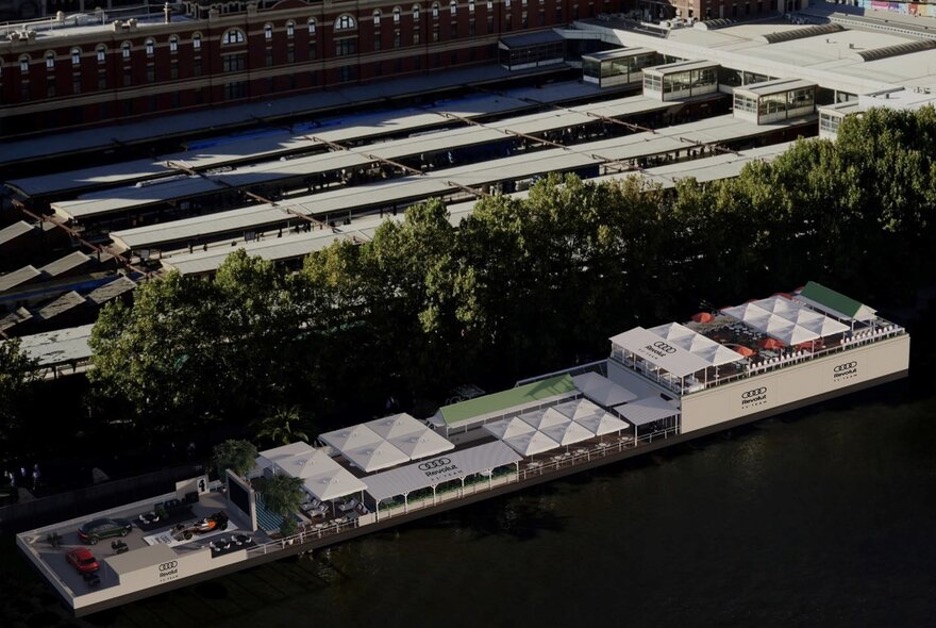
From riverfront venues to warehouse events and city fan zones, brands are leveraging existing cultural spaces to reach audiences wherever they are socialising across the weekend.
“The major trend off-track is the utilisation of existing spaces - venues, bars and restaurants - to drive recognition in all directions within the brand partnership environment.” – Luke Daniels
Brands like Audi and Revolut leaned into this approach, creating lifestyle-led experiences that felt connected to Melbourne’s culture rather than simply attached to the race itself. This meant fans could interact with brands even if they never stepped inside Albert Park.
“The brands that worked well were integrated intoMelbourne as a city and population - not just brand activation for its own sake.” – Ben
In a crowded sponsorship landscape, the activations that stood out weren’t necessarily the biggest - they were the ones that provided genuine value to fans.
One of the clearest examples was a practical activation that responded directly to the conditions spectators faced during the race weekend.
“The La Roche-Posay activation stopped me in my tracks. It was beautifully designed and helped thousands of fans enjoy the racing safely by providing multiple sunscreen stations across the park.” – Luke
Valterri Bottas applying some much needed sunscreen at the La Roche-Posay activation
This type of activation demonstrates how utility can become powerful brand engagement. By solving a problem for fans spending hours outdoors, the brand positioned itself as genuinely helpful rather than interruptive.
This theme continued across the event, where brands providing comfort or convenience were rewarded with attention and goodwill.
“It’s a long weekend for fans in grandstands or general admission. If you make them comfortable or give themsomething they genuinely need, you’ll be rewarded.” – Luke
Another clear shift is that brands are moving beyond logo placement and hospitality into experiences fans can actively participate in.
From viewing platforms to immersive fan zones and app-driven experiences, brands are designing environments where fans feel part of the moment rather than just observers.
“F1 allows for true experiential moments - from brand-in-hand sampling through to aspirational hospitality spaces.” – Luke
Some of the most memorable activations combined experience with incentives and access.
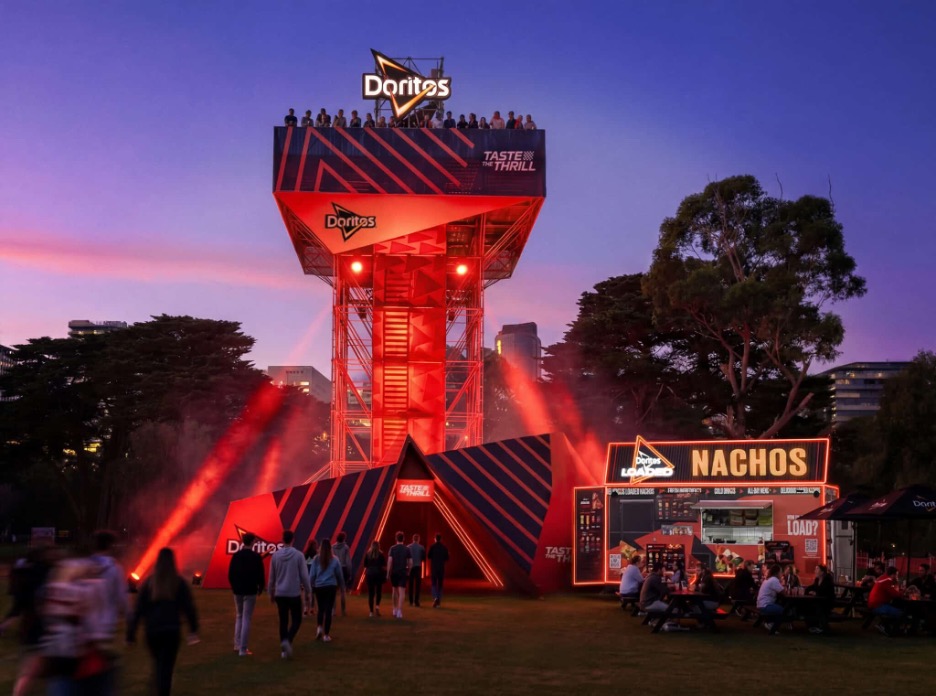
Doritos created a viewing platform linked to product purchase, while American Express built multiple premium environments reflecting their brand promise of access and lifestyle.
“Amex showed up in multiple locations across the race week with spaces that reflected the access and lifestyle their customers expect.” – Ben McMahon
Some highlights of how AMEX showed up at Melbourne GP
These experiences demonstrate how brands are using experiential design to translate their brand proposition into a physical environment.
In summary, the Melbourne race weekend shows just how far Formula 1 has evolved. What was once a sporting event is now a city-wide cultural moment, where brands compete not simply for visibility, but for relevance.
For experiential designers, the challenge is clear: create experiences that add value to fans, invite participation and live naturally within the culture of the host city.
Because in a world where audiences are younger, more social and more selective with their attention, the brands that win won’t be the ones that show up the loudest - but the ones that show up in ways fans genuinely want to engage with.